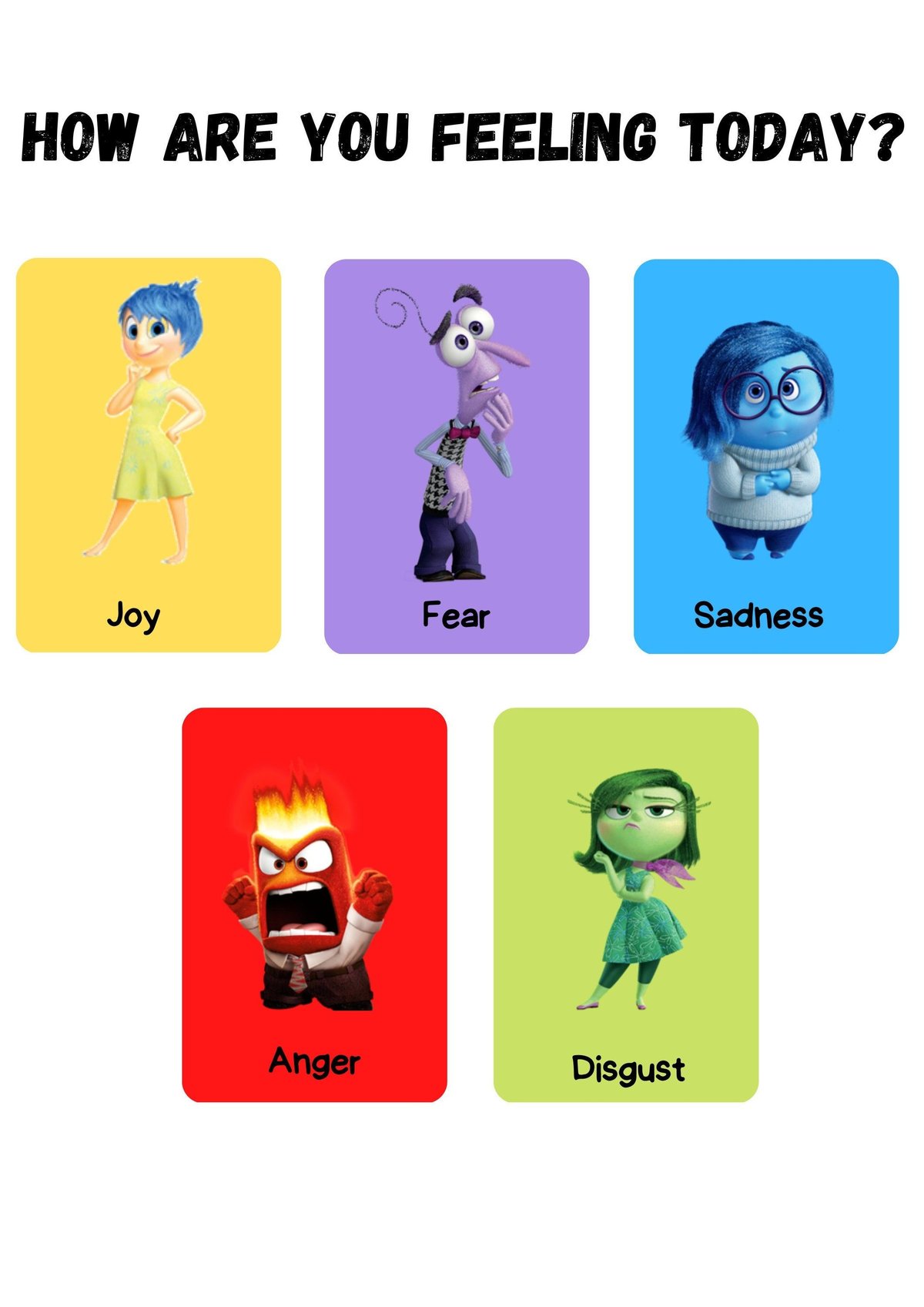
As a parent or educator, you understand the constant tightrope walk of helping children navigate their complex emotional landscapes. It’s a job often made easier when we can ground abstract feelings in something tangible, something relatable. That's precisely where Disney Pixar’s Inside Out steps in, transforming the challenge of Using Inside Out for Children's Emotional Education Through Creative Play into an imaginative journey. This film isn't just entertainment; it's a profound, vibrant blueprint for understanding the inner workings of our minds, a blueprint we can leverage to build strong emotional foundations in our children.
Imagine a world where your child can point to a character and say, "That's how I feel!" — not just in a fleeting moment, but as a gateway to deeper discussion, understanding, and ultimately, emotional resilience. Inside Out offers exactly that, bringing personified emotions to life and illustrating their interconnected dance within us.
At a Glance: Your Guide to Emotional Play with Inside Out
- Normalize All Feelings: Understand that Joy, Sadness, Anger, Fear, and Disgust are all vital players on your child’s emotional team.
- Leverage Creative Play: Use hands-on activities to make abstract emotions concrete and discussable.
- Build Self-Awareness: Help children identify what they're feeling, why, and how it manifests in their bodies.
- Foster Empathy: Encourage understanding that others experience a similar range of complex emotions.
- Teach Coping Skills: Introduce strategies for managing overwhelming emotions and returning to a state of balance.
- Cultivate Resilience: Equip children with the tools to navigate life's transitions and emotional challenges.
Why Inside Out Resonates So Deeply with Emotional Learning
At its heart, Inside Out tells the story of 11-year-old Riley, whose world is turned upside down by a family move. We witness this upheaval not from Riley’s external actions alone, but from the bustling control center inside her mind, managed by five core emotions: Joy, Sadness, Anger, Fear, and Disgust. This clever narrative makes the intangible world of feelings remarkably accessible for young minds.
The brilliance of the film lies in its ability to:
- Personify the Abstract: Emotions aren't just words; they are characters with distinct personalities, motivations, and even jobs within Riley's mind. This makes it easier for children to grasp and talk about their own feelings.
- Validate All Emotions: Crucially, Inside Out shows that every emotion has a role. Joy isn't always in charge, and Sadness isn't a feeling to be avoided at all costs. In fact, Sadness proves to be essential for healing and connecting. This is a powerful message against the common societal pressure to always "be happy."
- Illustrate Interconnectedness: The movie vividly portrays how emotions don't operate in isolation. Joy and Sadness often work together, Anger can sometimes lead to action, and Fear keeps us safe. Understanding this complexity helps children see their own emotional responses as multifaceted rather than singular.
- Demystify Emotional Regulation: Through Riley's journey, we see the challenges of emotions getting "out of control" and the process of learning to balance them. It provides a visual metaphor for children to understand what happens when their "control panel" feels overwhelmed.
By presenting these complex psychological concepts in such an engaging and visually rich way, Inside Out provides a common language and framework for discussing mental health and emotional well-being with children, making it an unparalleled resource for parents and educators alike.
The Playground of the Mind: Creative Play as Emotional Education
Children naturally learn through play. It’s their primary mode of exploring the world, testing boundaries, and making sense of experiences. When we combine the power of Inside Out with creative play, we tap into a dynamic learning environment where emotional education flourishes.
Creative play, whether it’s painting, storytelling, building, or imaginative role-playing, offers a safe, low-stakes space for children to:
- Experiment with Identity: They can try on different emotional roles, express feelings without judgment, and understand how various emotions feel in their body.
- Process Experiences: Play allows children to re-enact events that might have been confusing or overwhelming, giving them a chance to integrate new understandings.
- Develop Problem-Solving Skills: Faced with emotional dilemmas in play, children naturally experiment with different solutions, building their repertoire of coping strategies.
- Boost Language Development: Attaching words to feelings, describing emotional scenarios, and narrating stories all expand a child's emotional vocabulary, which is crucial for self-expression and understanding.
Think of it as setting up a mini "control panel" for their own minds. Through these activities, children aren’t just learning about emotions; they are actively engaging with them, developing the vital skills for emotional literacy and resilience.
Bringing Emotions to Life: Hands-On Activities Inspired by Inside Out
Ready to dive in? These practical, play-based activities, inspired by the vivid world of Inside Out, offer tangible ways to explore, understand, and regulate emotions with your child. Each one is designed to be engaging, insightful, and adaptable for various ages.
1. Inside Out Character Handprint Craft: Visualizing the Emotional Team
This activity is a fantastic visual starting point for discussing the core emotions. It helps children connect colors, characters, and physical expression to their inner world.
How It Works:
Gather five colors of washable paint: yellow for Joy, blue for Sadness, red for Anger, purple for Fear, and green for Disgust. Have your child paint one hand with these colors, representing their current feelings. For example, if they're mostly happy but a little worried, they might use more yellow and a touch of purple. Then, they stamp their handprint onto paper. Once dry, they can draw a simple face on the palm area, reflecting the dominant emotion they depicted.
Why It Helps:
This craft makes abstract emotions concrete. It allows children to visually represent their internal state, fostering self-awareness. Discussing which colors they chose and why helps them articulate their feelings and understand that multiple emotions can coexist. It also provides a gentle way to talk about the physical sensations associated with each emotion.
Conversation Starters:
- "Which emotion color did you use the most today? What made you feel that way?"
- "When do you feel like Joy or Sadness is 'in charge' in your mind?"
- "Where do you feel Anger in your body? Is it a hot feeling, or does it make your hands clench?"
- "If one of your emotions could talk right now, what would it say?"
Extension for Deeper Exploration:
Repeat this activity on different days. Do their handprints change? Discuss why. You can even have them make a handprint for each individual emotion, drawing the character's face on each one, and then arrange them on a "control panel" poster.
2. Feelings Journal Inspired by Inside Out: Tracking the Emotional Journey
After the initial handprint craft, transitioning to a feelings journal offers a consistent, safe space for emotional reflection and pattern identification.
How It Works:
Help your child decorate a simple notebook or a blank journal. On the first page, list the five Inside Out emotions with their corresponding colors (Joy: Yellow, Sadness: Blue, Anger: Red, Fear: Purple, Disgust: Green). Each day, or whenever a big emotion arises, encourage them to draw or write about their feelings. They can use the designated colors to illustrate their mood, draw a picture of what happened, or simply write a sentence. Younger children might just draw a colored circle reflecting their dominant feeling and a simple emoji face.
Why It Helps:
A feelings journal fosters emotional literacy by encouraging regular reflection. It helps children identify emotional fluctuations, recognize triggers, and safely express their inner world without judgment. Over time, they can begin to see patterns in their moods, understanding what makes them feel certain ways.
Conversation Starters:
- "Looking at your journal, what was a 'Joyful' moment this week? What caused it?"
- "Do you see any days where Sadness visited? What do you think Sadness was trying to tell you?"
- "If Anger showed up in your journal, did you find a way to help Anger calm down?"
- "What do you think you learned about your feelings this week from your journal?"
Extension for Deeper Exploration:
For older children, encourage them to not only track their emotions but also identify triggers (what caused the feeling) and describe coping strategies they used. For example, "Felt Anger (red) because my brother broke my tower. I took three deep breaths to calm down." This adds a layer of emotional regulation practice.
3. Discovery Bottles for Emotional Exploration: A Visual Metaphor
Discovery bottles, also known as calm-down bottles, offer a mesmerizing, tactile way to connect feelings with physical sensations and observe how emotions can swirl and settle.
How It Works:
Gather clear plastic bottles (water bottles work well). For each of the five emotions, create a personalized bottle:
- Joy (Yellow): Yellow glitter, small yellow beads, sparkly sequins in water.
- Sadness (Blue): Blue food coloring, a few drops of dish soap (to slow movement), blue glitter in water.
- Anger (Red): Red beads, small red pom-poms, maybe a few drops of red food coloring in water. Shake vigorously.
- Fear (Purple): Purple beads, small plastic googly eyes, maybe some iridescent glitter in water.
- Disgust (Green): Green slime or green colored water with small, slightly "gross" looking items (plastic bugs, green food coloring and vegetable oil for separation effect).
Seal the bottles tightly. Children can shake them vigorously to stir up the "emotions" and then watch as they slowly settle.
Why It Helps:
This activity provides a visual and kinesthetic representation of how emotions can feel overwhelming (like the swirling contents) and how, with time and focus, they can settle down. It’s a powerful metaphor for self-regulation and mindfulness. Creating the bottles also allows for discussion about what each emotion "looks" or "feels" like.
Conversation Starters: - "When you shake the Anger bottle, how does that feel like real anger?"
- "What happens when you watch the glitter settle in the Joy bottle? How does that feel in your body?"
- "If your mind feels like the Sadness bottle all swirly, what could you do to help it settle?"
- "Which bottle do you like watching the most? Why?"
Extension for Older Children:
Challenge them to design "emotion personas" beyond the movie characters and create a unique bottle that captures the essence of that emotion (e.g., "Frustration" or "Excitement"). Discuss the materials and colors chosen and why they represent that feeling.
4. Create Your Own Personality Islands: Mapping Core Values and Identity
Riley's personality islands are a brilliant metaphor for the foundational aspects of who we are. This activity encourages children to reflect on their own core values and the emotions that shape their identity.
How It Works:
Provide children with various art supplies: clay, cardboard, construction paper, markers, paint, glitter, even natural elements like pebbles or sticks. Challenge them to design and decorate their own "Personality Islands." They might create an "Island of Family," an "Island of Friendship," an "Island of Creativity," or an "Island of Courage." Encourage them to think about what makes them them and what values are most important. They can draw, build, or sculpt these islands, explaining the elements they've chosen.
Why It Helps:
This activity promotes deep self-reflection. Children identify their core values, interests, and the significant relationships that make up their identity. It helps them understand how these different "islands" contribute to their overall sense of self and how emotions connect to these important parts of their lives.
Discussion Points:
- "What values or emotions are most important to you? Which island represents that?"
- "How do these values or islands guide your decisions when you're feeling a strong emotion?"
- "What happens if one of your islands feels like it's crumbling, like Riley's? How do you rebuild it?"
- "Are there any new islands you'd like to build for yourself in the future?"
Extension for Collaboration:
Family members can create their islands together and discuss how their individual islands connect or overlap. This fosters a sense of shared identity and mutual understanding.
5. Memory Spheres to Reflect on Emotions: Understanding Emotional Transience
Riley's memory spheres, glowing with the color of their dominant emotion, offer a poignant visual of how memories are colored by feelings. This activity helps children understand that emotions are transient, and that looking back can offer new perspectives.
How It Works:
Acquire clear plastic ornaments or small clear containers. Each day, have your child choose a color representing their dominant emotion for that day (e.g., yellow for joy, blue for sadness, red for anger). They can then write or draw a simple representation of a memory or event from that day on a small slip of paper, color it, and place it inside the ornament. Over the week, they'll collect a variety of colored memories.
Why It Helps:
This activity beautifully illustrates that emotions, like the contents of the sphere, are temporary. By reviewing their "memory spheres" weekly, children can see the range of feelings they experienced and realize that no single emotion lasts forever. It also provides a gentle way to re-examine past events through an emotional lens and discuss how feelings can change over time.
Reflection Prompts:
- "What color represents your feelings today? Why did you pick that color?"
- "As you look at your memory spheres from this week, do you notice any patterns in your emotions?"
- "Can you find a blue (sad) memory? What happened? Did your feelings change about it later?"
- "Which memory sphere makes you smile the most?"
Extension for Processing:
For a "core memory," children can add glitter or special items to the sphere, making it stand out. This can be a way to honor significant emotional experiences, both positive and challenging.
6. Inside Out Conversation Prompts: The Art of Emotional Dialogue
Sometimes, the most powerful tool is simply an open conversation. Using Inside Out as a springboard provides a non-threatening context for children to express their feelings, share coping strategies, and build emotional intelligence and empathy.
How It Works:
Beyond specific crafts, integrate "Inside Out" themes into daily conversation. Keep a list of prompts handy, perhaps on a fridge magnet, or refer to them during dinner or car rides. These aren't tests, but invitations to share and connect.
Conversation Starters:
- "How do you think Joy felt when Sadness started taking over Riley's control panel? Have you ever felt like someone else was trying to take over your feelings?"
- "Have you ever felt like your emotions were out of control, like Riley did when she ran away? What helped you cope, or what do you wish you had done?"
- "What was a time you felt really proud of yourself, like an important core memory was made?"
- "How can we help each other when we’re feeling angry or sad? What would your 'Joy' say to your 'Sadness'?"
- "If you could have a meeting with all your emotions, what would you tell them?"
- "What's one thing you learned from Inside Out about why we need all our feelings?"
Why It Helps:
Open-ended questions encourage children to verbalize their thoughts and feelings, strengthening their emotional vocabulary and self-awareness. Discussing movie scenarios provides a safe distance to explore real-life emotional challenges, fostering empathy for themselves and others. It reinforces the idea that talking about feelings is healthy and normal.
Extension for Role-Playing:
Try role-playing scenarios using emotion voices or puppets. "Okay, let's pretend Anger is talking right now. What would Anger say about cleaning up your toys?" This playful approach can make expressing difficult emotions easier.
7. Classroom/Family Mindfulness with Inside Out: Anchoring Emotions with Breath
Mindfulness practices help children observe their feelings without judgment and develop tools for self-regulation. Inside Out's characters offer a unique way to introduce these concepts.
How It Works:
Integrate short mindfulness exercises into your daily routine, using the film's emotions as guides.
- Joyful Breath: "Let's take a deep, joyful breath. Imagine Joy filling your lungs with bright, happy air. Hold it, and then let it out with a little smile."
- Sadness Sigh: "Sometimes when we're sad, we feel heavy. Let's take a deep breath and let out a big sigh, like Sadness needs a good release."
- Angry Exhale: "When Anger visits, we can breathe it out. Take a strong breath in, and then push out all that angry air with a big 'WHOOSH!'"
- Fearful Flutter: "When Fear makes us feel fluttery, we can slow down our breath. In for three counts, hold for three, out for three. Notice how Fear starts to get a little calmer."
- Disgusted Detachment: "Sometimes Disgust can make us scrunch up. Take a deep breath, and on the exhale, imagine letting go of anything that feels yucky or unpleasant, creating a little more space."
These short, guided meditations can be done for just 1-2 minutes at a time, perhaps before bed, after a challenging moment, or as a transition activity.
Why It Helps:
This activity helps children connect emotions with physical sensations and learn to use their breath as a tool for managing feelings. By visualizing the Inside Out characters, the abstract concept of mindfulness becomes more concrete and relatable. It teaches them that they have agency over their emotional state, even when feelings feel big.
Mindfulness Activity - Body Scan:
"Lie down or sit comfortably. Imagine your emotions are walking through your body. Where do you feel Joy right now? Is it warm in your chest? Where does Fear live? Maybe a tickle in your tummy? Just notice these feelings without trying to change them. Take a deep breath into that spot."
Extension for Sound:
Use a chime or singing bowl to signal the start and end of these short mindfulness moments. The sound provides a clear, gentle anchor for children to focus on.
Beyond the Activities: Cultivating an Emotionally Intelligent Home or Classroom
While these Inside Out-inspired activities are fantastic tools, they are most effective when embedded within a larger culture of emotional intelligence. Here are some principles to maintain:
- Validate All Feelings, Always: When your child expresses an emotion, avoid saying, "Don't be sad" or "There's nothing to be angry about." Instead, acknowledge: "I see you're feeling really frustrated right now. It's okay to feel that way." This mirrors the film's core message.
- Model Healthy Emotional Expression: Children learn by watching. When you feel angry, sad, or overwhelmed, verbalize it in a healthy way. "I'm feeling a bit frustrated that this isn't working. I'm going to take a deep breath." This shows them how it's done.
- Create Safe Spaces: Ensure your child knows it's always safe to talk about any feeling, without fear of judgment or punishment. This builds trust and encourages open communication.
- Practice Consistency, Not Perfection: Emotional education is a journey, not a destination. Don't worry about doing every activity perfectly or daily. Regular, intentional check-ins and open conversations are what truly matter.
- Address Common Pitfalls:
- Dismissing "Negative" Emotions: Remember, Sadness isn't bad; it serves a purpose. Teach children to sit with uncomfortable feelings rather than stuffing them down.
- Over-Focusing on Joy: While Joy is wonderful, an exclusive pursuit of happiness can lead to emotional repression. Emphasize the balance of all emotions.
- Expecting Instant Solutions: Emotional regulation takes time and practice. Be patient, offering support rather than quick fixes.
By consistently integrating these practices, you're not just doing a craft or having a conversation; you're building a robust foundation for your child's emotional well-being, resilience, and lifelong mental health.
Common Questions About Emotional Education with Inside Out
Navigating children's emotions can bring up many questions. Here are answers to some common ones when using Inside Out as a guide.
Is my child too young or too old for Inside Out activities?
Inside Out is surprisingly versatile. Younger children (preschool-kindergarten) benefit from the visual characters and can identify basic emotions through play. Older children (elementary to pre-teen) can engage with the deeper concepts of emotional regulation, core memories, and personality islands. For teens, the film can be a springboard for discussing complex mental health topics and identity formation. The key is adapting the activities and conversations to their developmental level.
How often should we do these activities?
Consistency is more important than frequency. Aim for short, regular check-ins or activities rather than long, infrequent sessions. Even five minutes of "emotion talk" during dinner or a quick handprint craft once a week can make a significant impact. The goal is to integrate emotional discussions naturally into your routine, making it feel less like a chore and more like a normal part of life.
What if my child only wants to be Joy, or avoids talking about Sadness or Anger?
It's common for children to gravitate towards positive emotions or avoid uncomfortable ones. Gently affirm their preference for Joy ("It's wonderful you feel so much joy!"). Then, introduce the idea that even Joy needs the other emotions. "Remember in the movie how even Joy learned that Sadness had an important job? What do you think Sadness's job is for us sometimes?" Emphasize that all emotions are part of being human and that understanding them helps us grow stronger. Avoid forcing a child to share; instead, create opportunities for them to observe and process at their own pace.
How do I handle big emotions after watching the movie or doing an activity?
Sometimes, discussing emotions can open a floodgate. If your child expresses big feelings, validate them first: "I hear you. That sounds really frustrating." Then, offer a strategy discussed in the activities, like taking deep breaths ("Let's try that 'Angry Exhale' from our mindfulness activity") or drawing it in their feelings journal. Remind them that it's okay for emotions to feel big and that you're there to help them navigate. The movie itself shows Riley having big meltdowns, providing a visual cue that this is a normal part of learning to cope.
Your Journey to Emotional Fluency Starts Here
Emotional education is arguably one of the most critical skills we can impart to children. It’s not about preventing difficult feelings, but about equipping them with the tools to understand, manage, and learn from every emotion that visits their "control panel." Inside Out provides an extraordinary common language for this vital work, turning complex psychology into accessible, colorful play.
By embracing these creative activities, you're not just fostering a deeper connection with your child; you're helping them build resilience, empathy, and a profound understanding of their inner world. So go ahead, grab some paint, a journal, or simply start a conversation. Your journey into Using Inside Out for Children's Emotional Education Through Creative Play is an adventure well worth taking. For even more insights and activities, be sure to explore Our Inside Out hub for a treasure trove of resources.